
A Pony Named Vegemite, a Category Problem & 3rd Place in a Grand Final Pitch
Competitions like Australia’s Most Unstoppable Founder have a funny way of revealing what founders already know: the work is rarely glamorous, and the story is rarely linear. These comps are pressure, compression, and an attempt to make something deeply lived feel clear to someone meeting it for the first time.
Wayfarer was selected as one of seven finalists in the One Roof x March Collective grand final, and for the pitch, I presented online. I thought I’d be less nervous than being on a stage, but with no room to read the energy, no stage to pace and no loving fiancé & co-founder to hold my hand prior, I was surprisingly apprehensive. I had a camera, a clock, a million silent prayers that my dogs wouldn’t bark in the background, and the task of making a whole company and painful lived experience felt in a few short minutes.
I framed my pitch with an early lesson in grit: a pony named Vegemite.

Me as a kid. Impatiently waiting riding lessons and always enjoying Nesquick’s ‘pink milk’.
As a kid, I was stubborn about horses in particular. At 3 years old, I decided I wanted to ride, but wasn’t allowed to until I was 7. But by being single-minded, persistent, convinced that creating PowerPoints for my parents (complete with Word Art) would yield the desired result, guess who eventually got to go to horse riding school??! That was my earliest demonstration of resilience, says my mother.
When I did get to the stables, the aforementioned Vegemite taught me something more useful than determination alone, though: he taught me repetition. You fall off, you get back on. You learn the inevitability of setbacks and how to reset. You learn to stay with the discomfort long enough for it to turn into capability. You learn that he MUCH prefers mints over liquorice.
I had to draw on that same stubborn attitude and Vegemite’s lessons in resilience years later, in a much less charming setting: the moment I needed my first cane and set of crutches.
The options were bleak. Not just aesthetically, though the category does seem to offer a binary of “hospital corridor” or “sparkly toddler” vibe selection, but functionally. Once you use a mobility aid in the real world, you realise how many compromises have been normalised: awkward ergonomics, heavy materials, designs that don’t adapt to fatigue or changing capacity, and tools that make an already difficult day harder than it needs to be.
Which is absurd, because this isn’t niche. Mobility support is something many people will need at some point in their lives. And yet the products have remained stuck in the past, despite everything we know about materials, engineering, and design.
Wayfarer exists to create that category leap. We are building mobility aids that are engineered properly and designed like they actually belong in someone’s life. Pieces you’re proud to carry. Tools that feel like self-expression, not compromise.
I placed third in the grand final, and as the only hardware company pitching, that was so promising.
Hardware is slower, heavier, and less forgiving than a deck and a demo; I’m begrudingly learning that it asks for serious patience, precision, and a tolerance for the long road. Much like waiting years for the opportunity to ride horses….
This podium placing says there’s a real appetite for a new standard, and we’re the right people to bring this to the world.
So we keep going.
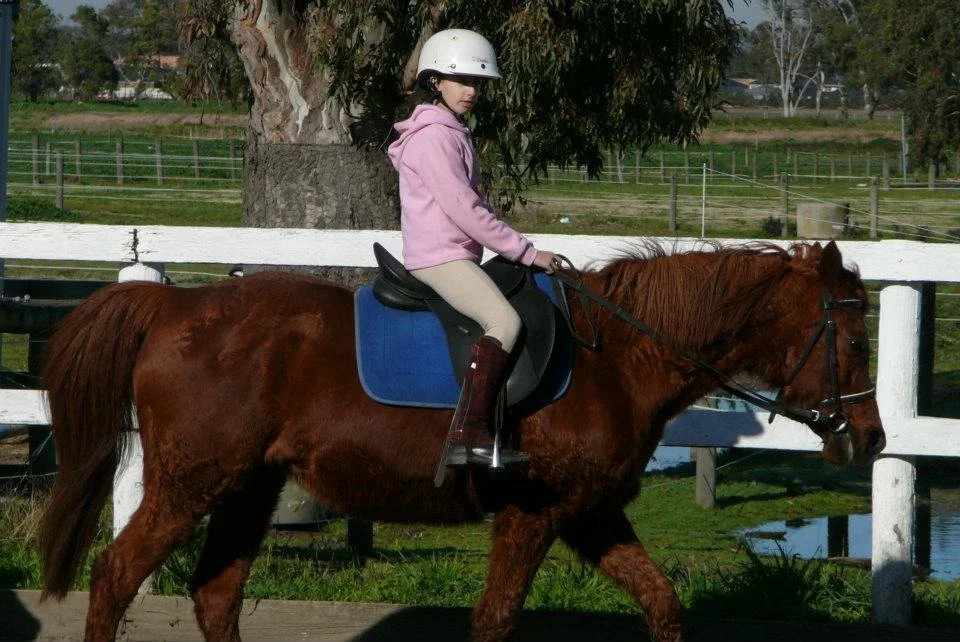
Where early lessons in grit got me.